
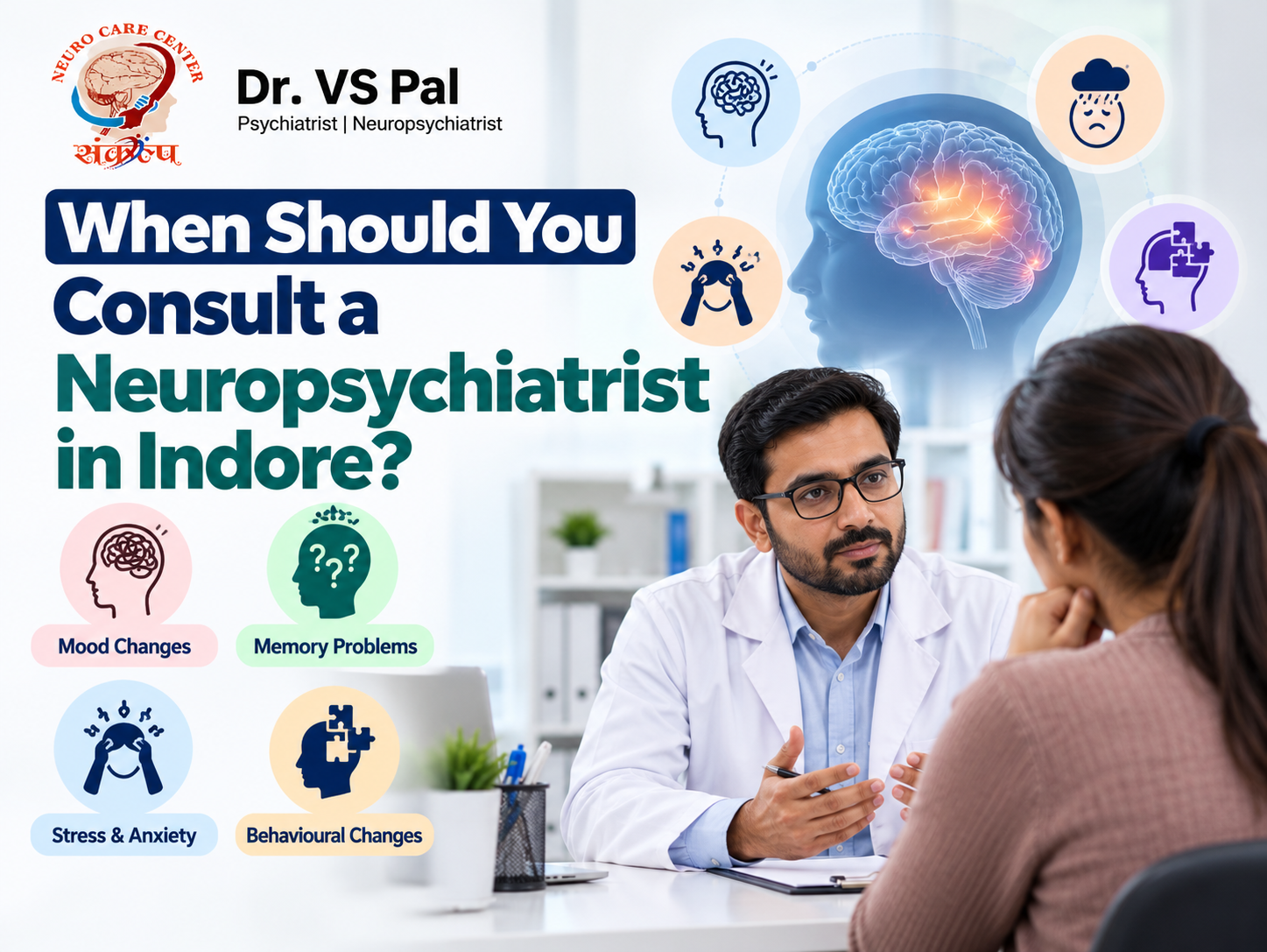
Mental health is an important part of overall well-being. Emotional difficulties, changes in behaviour, memory problems, sleep disturbances, and persistent changes in mood can affect a person’s personal life, relationships, and professional responsibilities. Sometimes, these symptoms improve with rest and support. However, when they persist, become severe, or interfere with everyday activities, professional evaluation may be necessary.
A neuropsychiatrist in Indore can assess conditions involving the relationship between brain function, neurological health, emotions, thinking, and behaviour. Neuropsychiatry combines aspects of neurology and psychiatry to help evaluate complex symptoms that may have neurological and psychological components.Many people delay seeking help because they are unsure whether their symptoms require specialist attention. Others may assume that persistent anxiety, unusual behaviour, memory difficulties, or changes in personality are simply caused by stress. Although stress can contribute to these problems, ongoing symptoms may need a proper medical assessment. Understanding when to consult a specialist can help individuals and families recognise warning signs and explore appropriate care. This article explains common reasons to seek a neuropsychiatric consultation, the conditions a specialist may assess, and what patients can expect during an appointment.
Dr. V.S. Pal, Neuropsychiatrist in Indore, provides psychiatric care for individuals experiencing a range of mental health and behavioural concerns. Neuropsychiatric assessment can help evaluate symptoms involving mood, memory, thinking, behaviour, and brain function.
What Is a Neuropsychiatrist?
A neuropsychiatrist is a medical specialist whose work focuses on the relationship between neurological functioning and mental health. Neuropsychiatric assessment may be helpful when emotional, cognitive, behavioural, or psychiatric symptoms occur alongside neurological conditions or when the underlying cause is unclear.
A psychiatrist generally evaluates mental health conditions such as depression, anxiety disorders, and other psychiatric concerns. A neurologist focuses on disorders of the nervous system, including the brain, spinal cord, and nerves. Neuropsychiatry brings these areas together for patients whose symptoms may involve both brain function and mental health.
A specialist may review medical history, current symptoms, medication use, sleep patterns, emotional well-being, and changes in memory or behaviour. Depending on the findings, further evaluation or coordination with other medical professionals may be recommended. Not every mental health concern requires a neuropsychiatrist. The appropriate specialist depends on the person’s symptoms, medical history, and clinical needs.

When Should You Consult a Neuropsychiatrist in Indore?
There is no need to wait until symptoms become overwhelming before seeking professional advice. If emotional, behavioural, or cognitive changes continue or begin affecting everyday life, a clinical assessment can help clarify the possible causes.
1. Persistent Depression or Low Mood
Feeling sad occasionally is a normal part of life. However, persistent low mood, loss of interest in usual activities, low energy, changes in appetite, disturbed sleep, feelings of worthlessness, or difficulty concentrating may indicate depression. These symptoms can affect relationships, work, studies, and daily responsibilities. A specialist can evaluate their duration, severity, possible contributing factors, and impact on functioning.
A neuropsychiatrist in Indore may assess whether the symptoms are associated with a psychiatric condition, a neurological concern, medication effects, or another medical issue. Treatment may involve psychotherapy, medication, lifestyle support, or other interventions according to the diagnosis. If someone has thoughts of self-harm or suicide, immediate professional support is essential. Do not wait for a routine appointment if there is an immediate safety concern.
2. Severe or Persistent Anxiety
Anxiety is a natural response to stressful situations. It becomes a concern when worry is excessive, difficult to control, or interferes with daily activities.
Possible symptoms include constant nervousness, restlessness, muscle tension, rapid heartbeat, difficulty sleeping, and problems concentrating. Some people also experience episodes of intense fear or panic.
When these symptoms continue or affect work, relationships, travel, or social activities, professional assessment may help identify the cause and suitable treatment options.
A specialist can distinguish anxiety-related symptoms from certain physical or neurological conditions that may produce similar experiences. This is important because treatment should be based on an appropriate assessment rather than assumptions.
3. Memory Problems or Difficulty Concentrating
Occasional forgetfulness can happen because of tiredness, stress, or lack of sleep. However, frequent memory difficulties, confusion, difficulty concentrating, or problems completing familiar tasks may need further evaluation. These changes can have several possible causes, including sleep disorders, medication effects, mood conditions, neurological illnesses, or other medical problems.
Consult a healthcare professional if memory problems are persistent, progressively worsening, or affecting independence. A specialist may review when the symptoms began, how they have changed, and whether other cognitive or behavioural difficulties are present. Sudden confusion or an abrupt change in awareness requires urgent medical assessment, especially when accompanied by weakness, difficulty speaking, severe headache, or other new neurological symptoms.
4. Sudden Changes in Behaviour or Personality
Family members sometimes notice changes in a person’s behaviour before the individual recognises them. These changes may include unusual irritability, withdrawal from social activities, reduced motivation, impulsive decisions, or behaviour that is noticeably different from the person’s usual pattern. Such changes do not automatically indicate a psychiatric or neurological disorder. Stress, sleep deprivation, medication effects, substance use, and medical conditions can all contribute.
If the changes persist, become severe, or interfere with daily functioning, a specialist assessment can help identify potential causes. Sudden and marked behavioural changes, particularly when associated with confusion or neurological symptoms, should be assessed urgently.
5. Sleep Disturbances Affecting Daily Life
Sleep and mental health influence each other. Ongoing insomnia, an irregular sleep schedule, excessive sleepiness, or repeated nighttime disturbances may contribute to irritability, poor concentration, low mood, and anxiety. Persistent sleep problems can also be associated with psychiatric, neurological, or other medical conditions. If sleep difficulties continue despite reasonable changes to sleep habits or significantly affect daytime functioning, consult a healthcare professional. The assessment may consider emotional stress, medications, sleep disorders, and other possible causes.
6. Symptoms Following a Brain Injury or Neurological Illness
Some individuals experience emotional, cognitive, or behavioural changes after a brain injury, stroke, or neurological illness. These changes may include difficulties with memory, attention, emotional regulation, motivation, or social behaviour. A neuropsychiatric assessment may help evaluate these symptoms and identify appropriate support. Depending on the circumstances, care may involve coordination between psychiatry, neurology, rehabilitation, and other clinical services. New neurological symptoms should never be assumed to be caused by stress alone. Sudden facial drooping, weakness on one side, difficulty speaking, or an abrupt loss of coordination may indicate a medical emergency and require immediate emergency care.
7. Symptoms That Continue Despite Treatment
Some people continue to experience emotional, cognitive, or behavioural symptoms despite receiving treatment. This may happen when the diagnosis needs to be reviewed, the treatment requires adjustment, other contributing conditions are present, or additional support is needed. If symptoms are not improving as expected, arrange a follow-up consultation rather than changing medication independently. A specialist can review the treatment history, response to previous interventions, side effects, and possible alternative explanations for ongoing symptoms. The next steps should be based on a careful clinical assessment.
Common Conditions a Neuropsychiatrist May Evaluate
The conditions assessed in neuropsychiatry vary according to the specialist’s training and the patient’s clinical needs. Possible concerns include the following.
Depression and Mood Disorders
Depression can affect mood, energy, motivation, sleep, appetite, and concentration. Some mood disorders also involve significant changes in energy, activity, or behaviour. A clinician evaluates the pattern and duration of symptoms before recommending treatment.
Anxiety Disorders
Anxiety-related conditions may involve persistent worry, panic symptoms, avoidance, physical tension, or fear that interferes with everyday activities. Assessment helps identify the type of problem and determine the appropriate treatment approach.
Cognitive and Memory Difficulties
Problems with memory, attention, planning, or decision-making may arise from several different causes. The assessment may consider mood, sleep, medication, neurological history, and other medical factors.
Behavioural Changes Associated With Neurological Conditions
Neurological illnesses can sometimes affect personality, emotional regulation, motivation, or behaviour. A specialist may assess these changes and help coordinate appropriate care.
Other Psychiatric or Neuropsychiatric Concerns
Depending on the symptoms and clinical setting, evaluation may also involve other psychiatric conditions, substance-related concerns, or symptoms associated with neurological illness. A full assessment is necessary before determining a diagnosis.

What Happens During a Neuropsychiatric Consultation?
Knowing what to expect can make a first appointment less stressful. The consultation usually begins with a discussion of symptoms and medical history.
Step 1: Discussion of Symptoms
The clinician asks about the main concern, when it started, how frequently it occurs, and how it affects daily life. Patients should describe changes in mood, sleep, memory, behaviour, and concentration as accurately as possible.
Step 2: Medical and Treatment History
The specialist may review previous diagnoses, ongoing medical conditions, current medications, previous treatments, family history when relevant, and any history of neurological illness or injury. Bring a list of current medicines and available medical reports to help provide a clear picture.
Step 3: Clinical Assessment
The clinician evaluates the reported symptoms and may assess mood, thinking, memory, attention, behaviour, and other relevant functions. Additional examinations or tests may be recommended if the findings suggest that further investigation is needed. Not every patient requires the same tests.
Step 4: Diagnosis and Treatment Planning
After reviewing the available information, the clinician discusses the possible diagnosis or explains whether further evaluation is necessary. Depending on the condition, the plan may include medication, psychotherapy, behavioural strategies, rehabilitation, lifestyle recommendations, or referral to another specialist.
Step 5: Follow-Up
Follow-up appointments help assess progress, review side effects, and make adjustments when necessary. Patients should share any new symptoms or concerns rather than changing prescribed treatment on their own.
Treatment Options After Assessment
Treatment depends on the diagnosis, severity of symptoms, medical history, and individual preferences. There is no single treatment suitable for every neuropsychiatric concern.
Medication Management
Medication may be recommended for certain psychiatric or neurological conditions. The choice of medicine depends on the clinical diagnosis and relevant health factors. Patients should follow the prescribed instructions and discuss side effects with their clinician.
Psychotherapy
Psychotherapy can help people understand emotional difficulties, develop coping strategies, and change patterns of thinking or behaviour that contribute to distress. The type of therapy depends on the person’s needs and diagnosis.
Cognitive and Behavioural Support
Some patients benefit from structured support for attention, memory, daily routines, emotional regulation, or behavioural difficulties. In selected cases, cognitive rehabilitation or occupational therapy may be appropriate.
Lifestyle and Sleep Support
Regular sleep, physical activity suited to the individual’s health, balanced nutrition, and social support can contribute to overall well-being. These measures may complement professional treatment but should not replace necessary medical care.
Coordinated Specialist Care
When symptoms involve multiple medical or neurological factors, the treatment plan may require coordination between psychiatry, neurology, psychology, rehabilitation, or other healthcare professionals.
How to Choose a Neuropsychiatrist in Indore
Selecting a suitable specialist involves more than finding a nearby clinic. Consider the following points before making an appointment.
- Relevant qualifications: Check the doctor’s medical qualifications and specialist training.
- Clinical experience: Look for experience relevant to the symptoms or condition being evaluated.
- Comprehensive assessment: The consultation should include a review of symptoms, medical history, and current treatment.
- Clear communication: The clinician should explain the assessment findings, possible treatment options, risks, and follow-up requirements.
- Continuity of care: Ask how follow-up appointments and treatment reviews are managed.
- Coordination when needed: Complex symptoms may require communication with other medical professionals.
Patients should feel comfortable sharing their concerns and asking questions. Mental health assessment is a collaborative process, and treatment decisions should be based on individual needs.
About Dr. V.S. Pal – Neuropsychiatrist in Indore
Dr. V.S. Pal is a psychiatrist and neuropsychiatrist associated with mental health care in Indore. According to the information provided on his website, he has more than 31 years of overall experience and serves as an Associate Professor of Psychiatry at MGM Medical College and Assistant Superintendent at Maharaja Yashwantrao Hospitals. His listed areas of professional practice include neuropsychiatry, psychiatry, addiction psychiatry, geriatric psychiatry, and forensic psychiatry. His work involves the evaluation and management of a range of psychiatric and psychological concerns.
A consultation can help patients discuss persistent changes in mood, memory, behaviour, concentration, or emotional well-being. The appropriate evaluation and treatment depend on the symptoms, medical history, and clinical findings. Individuals considering an appointment should bring relevant medical records and a list of current medications. The clinician can explain the assessment process and discuss suitable treatment options based on the patient’s needs.
Frequently Asked Questions
1. When should I consult a neuropsychiatrist in Indore?
Consider a consultation if persistent changes in mood, behaviour, memory, concentration, or emotional regulation affect everyday life. Sudden confusion or new neurological symptoms may require urgent medical assessment.
2. What is the difference between a psychiatrist and a neuropsychiatrist?
A psychiatrist evaluates and treats mental health conditions. A neuropsychiatrist focuses on the relationship between brain function, neurological conditions, cognition, behaviour, and mental health. The appropriate specialist depends on the patient’s symptoms.
3. Can a neuropsychiatrist help with depression and anxiety?
A neuropsychiatrist may assess depression and anxiety when these conditions fall within their clinical practice. Treatment depends on the diagnosis, symptom severity, medical history, and individual needs.
4. Do I need tests before a neuropsychiatric consultation?
Not always. The specialist usually begins with a clinical assessment and medical history. Tests may be recommended when further investigation is necessary.
5. Can memory problems be related to mental health?
Yes. Stress, depression, anxiety, and sleep problems can affect memory and concentration. However, persistent or worsening memory difficulties can have other causes and should be assessed professionally.
6. What should I bring to my first appointment?
Bring available medical reports, previous prescriptions, a list of current medicines, and notes about when the symptoms began. Information from a family member may also be helpful when memory or behavioural changes are involved.
7. Is treatment always necessary for mental health symptoms?
Not every symptom requires medication or intensive treatment. The appropriate approach depends on the cause, severity, duration, and impact of the symptoms. A professional assessment can help determine the next steps.
8. Can I stop psychiatric medication when I feel better?
Do not stop or change prescribed medication without discussing it with the treating clinician. Some medicines require gradual adjustment, and stopping them abruptly may cause problems.
9. When should I seek emergency help?
Seek emergency medical care for sudden confusion, new weakness, difficulty speaking, seizures, or other severe and sudden neurological symptoms. If someone is at immediate risk of self-harm, seek urgent local emergency or crisis support.
10. How can I prepare for a consultation?
Write down your main symptoms, when they started, how often they occur, their effect on daily life, and any previous treatments. This information can help the specialist conduct a more focused assessment.
Conclusion – neuropsychiatrist in Indore
Persistent changes in mood, memory, concentration, sleep, or behaviour should not be ignored when they begin affecting everyday life. Although stress and temporary difficulties can contribute to these symptoms, ongoing or worsening problems may require professional assessment. Consulting a neuropsychiatrist in Indore can help clarify whether symptoms are related to a psychiatric condition, a neurological concern, medication effects, or another medical issue. Early evaluation can support timely diagnosis, appropriate treatment planning, and follow-up.
If you or a family member is experiencing ongoing cognitive, emotional, or behavioural changes, consider arranging a professional consultation. The right care begins with understanding the symptoms and choosing an approach that fits the individual’s clinical needs.